
Do You Actually Need Electrolytes? Here’s When They Matter


Electrolytes are everywhere right now.
Powders. Drinks. Tablets. Gummies.
But do you actually need them — or is drinking water enough?
For most people, most of the time, water does a perfectly good job. But when you're training hard, sweating heavily or exercising for longer periods, hydration isn't just about replacing water.
It's also about replacing what you lose with it.
What Are Electrolytes?
Electrolytes are minerals that carry an electrical charge when dissolved in fluid.
They include minerals such as sodium, potassium, magnesium, calcium and chloride.
Your body uses them for important processes including normal muscle function, nerve signalling and maintaining fluid balance.
And when you sweat, you lose both water and electrolytes.
Isn't Water Enough?
Sometimes, yes.
If you're doing a relatively short workout, you're not sweating heavily and the conditions aren't particularly hot, water may be all you need.
The situation changes when sweat losses increase.
Think:
Longer training sessions
Endurance exercise
Running or cycling for extended periods
Intense gym sessions
Training in hot weather
People who naturally sweat heavily
The more you sweat, the more fluid and electrolytes you're potentially losing.
Simply drinking more and more plain water doesn't necessarily replace everything that's being lost.
Why Does Sodium Matter?
Sodium is one of the main electrolytes lost through sweat.
It also plays an important role in fluid balance and normal muscle and nerve function.
How much sodium someone loses can vary considerably. Some people are noticeably salty sweaters — you might even see white marks on dark training clothes after a hard session.
This is one reason there isn't a single hydration strategy that works perfectly for everyone.
Your training duration, intensity, temperature and individual sweat rate all matter.
What About Potassium and Magnesium?
Sodium gets much of the attention when it comes to exercise and hydration, but it isn't the only electrolyte.
Potassium contributes to normal muscle function and the normal functioning of the nervous system.
Magnesium also contributes to normal muscle function and electrolyte balance.
The goal isn't to consume as many electrolytes as possible.
It's to support your body appropriately for what you're asking it to do.
When Should You Consider Electrolytes?
There's no magic point where everyone suddenly needs an electrolyte product.
But they're worth considering when training becomes longer, hotter or sweatier.
For example, someone completing a short strength session in an air-conditioned gym has very different hydration requirements from someone running for two hours on a hot summer day.
Context matters.
Drinks, Powders or Gummies?
There's no single best format.
The best option is often the one that fits easily into your routine.
Traditional electrolyte drinks can provide fluid and electrolytes together. Powders and sachets are convenient when you already have water with you.
Gummies offer another option.
They're easy to carry, require no mixing and make it simple to incorporate electrolytes into your training routine.
That's exactly why we created Fraction One Electrolyte Gummies.
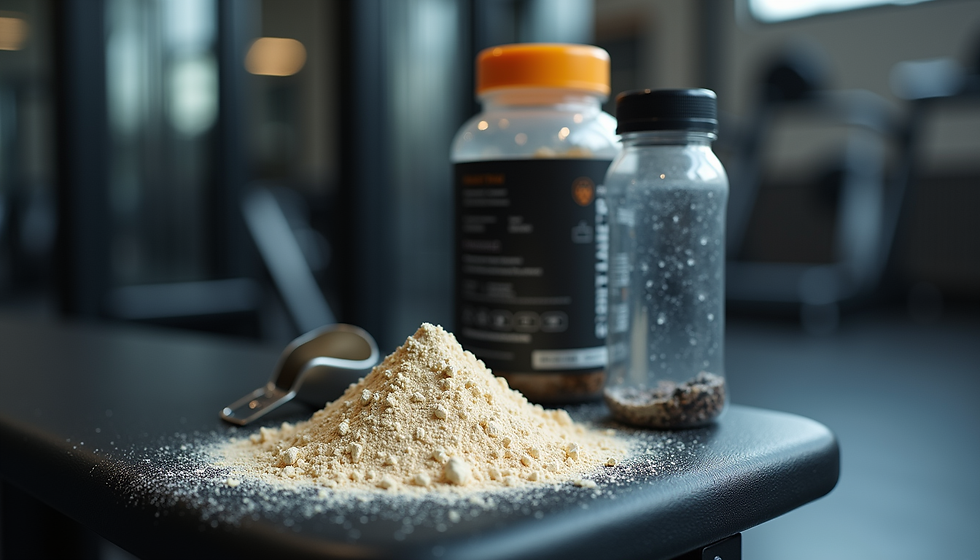
A straightforward, convenient way to supplement key electrolytes without another shaker, scoop or tub of powder.
Hydration Doesn't Need to Be Complicated
You don't need electrolytes every time you drink water.
And you don't need to obsess over hydration during every workout.
But when you're training harder, going longer or sweating more, replacing only water may not tell the whole story.
Pay attention to the session, the conditions and how much you're sweating.
Then build a hydration strategy that you can actually stick to.
Because, like most things in training, consistency beats complexity.
Fraction One
Performance Nutrition. Simplified.
Comments